Enterprise LLM Adoption in 2026: From Pilots to Platforms
 Most enterprise leaders no longer ask whether LLMs will matter. They ask a harder question: how do we capture real business value without creating a security, compliance, or cost problem we can’t unwind?
That’s why 2026 feels different from 2024–2025. The early phase was dominated by pilots, demos, and novelty. The 2026 phase is about operating models: repeatable ways to deploy LLM capabilities across functions, measure outcomes, and keep risk under control.
Below are the most important adoption patterns I see emerging—framed for executives who need to make decisions, allocate budgets, and set guardrails.
1) The shift from “chatbots” to business workflows
Chat interfaces were the fastest on-ramp, but they’re not the endgame.
The winning use cases in 2026 are increasingly workflow-shaped:
- Drafting and reviewing customer communications with approval steps
- Summarizing calls and updating systems of record
- Generating first-pass analysis, then routing to a human owner
- Creating internal knowledge responses with citations and access control
This changes what “success” looks like. Leaders should measure not model quality in isolation, but throughput and cycle-time impact:
- time saved per process
- resolution time for customer issues
- time-to-first-draft for proposals
- reduced back-and-forth in internal decision loops
2) “Shadow AI” is inevitable—so governance must be usable
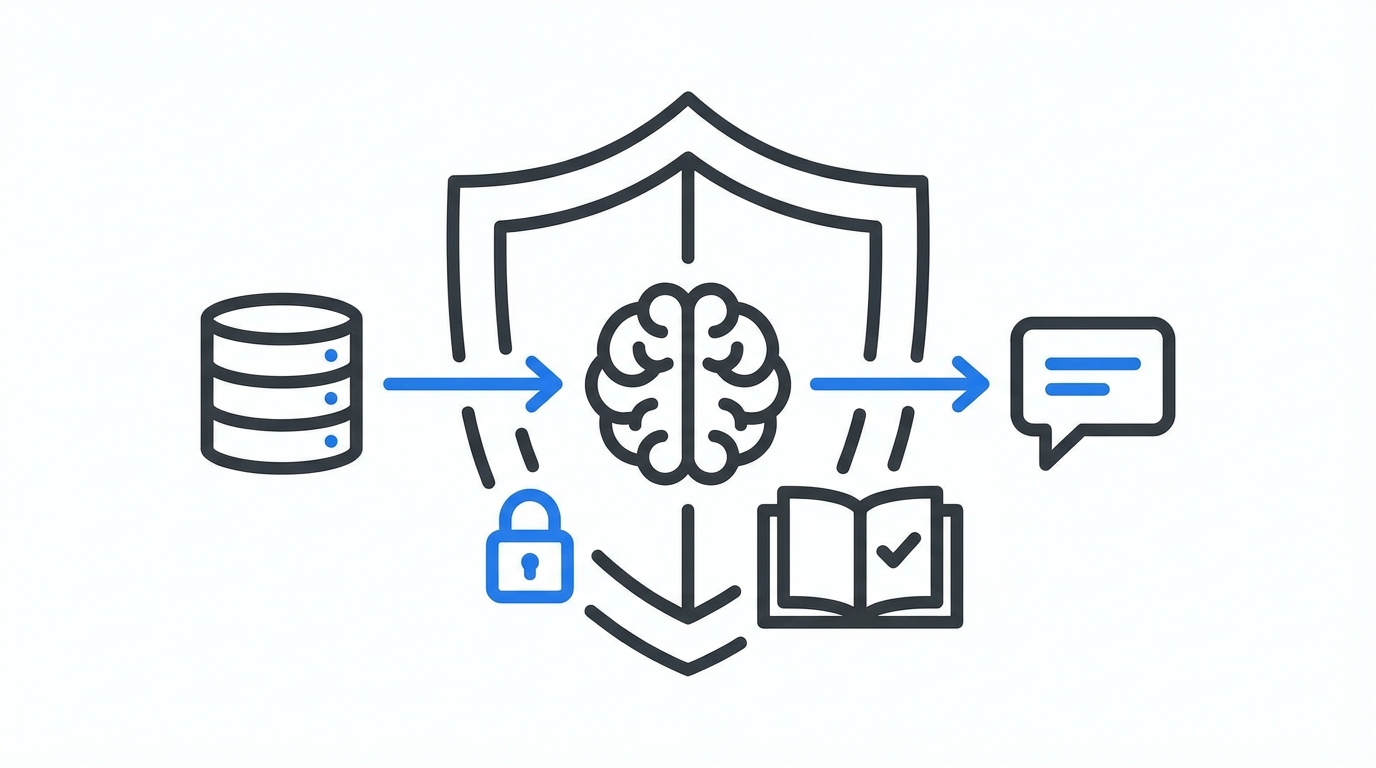 If governance is only a set of restrictions, teams will route around it.
In 2026, the best-performing organizations will treat governance as an enablement function:
- approved tools and approved data boundaries
- clear policies for what can and cannot be pasted into LLMs
- role-based access and auditability
- a lightweight intake process for new use cases
The key executive move is to make the “safe path” the easiest path. If the compliant tool is slower, harder to use, or doesn’t integrate into daily work, adoption will fragment.
3) Knowledge quality becomes the real bottleneck
Enterprises often assume “connecting documents” is the hardest part. In practice, the hardest part is making the underlying knowledge usable:
- duplicated or outdated policies
- inconsistent naming and ownership of documents
- unclear permissions and data classification
- lack of a single source of truth for key processes
LLMs amplify whatever knowledge system you already have—for better or worse. This is why leaders in 2026 are investing in documentation standards, ownership, and lifecycle management, not just model access.
A simple rule of thumb: if a human can’t reliably find the right answer in your systems, an LLM won’t magically fix that. It will often produce plausible—but wrong—answers faster.
4) Cost management becomes an executive topic (not just a technical one)
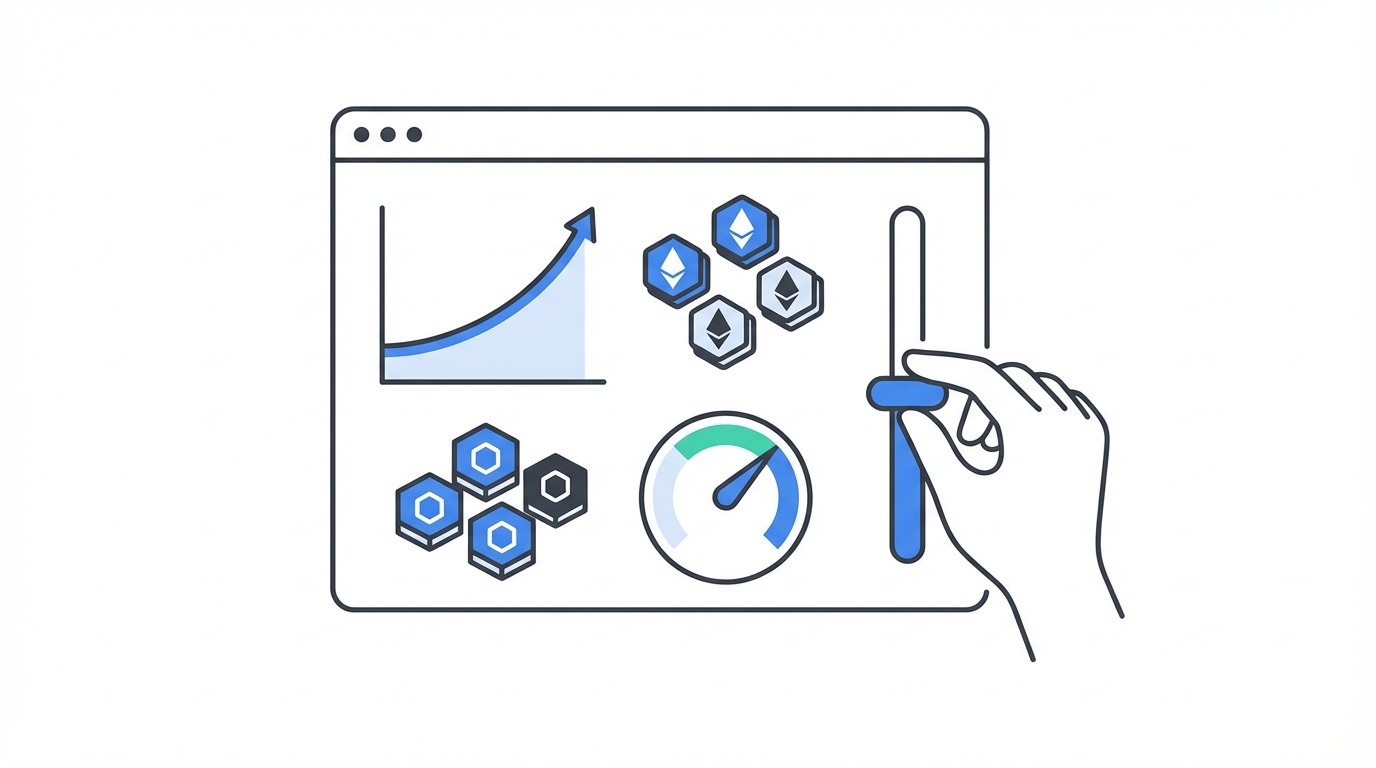 As LLM usage scales, cost stops being a rounding error. It becomes an operating expense that needs visibility, budgets, and control.
Leading organizations are adopting “AI spend governance” patterns:
- usage dashboards by team, workflow, and business unit
- budgets with alerts and soft limits
- model routing (using smaller models for low-risk tasks, premium models where it matters)
- caching/reuse of outputs where appropriate
- standard prompts and templates to reduce waste
The point is not to minimize spend at all costs. It’s to make spend predictable and tied to measurable outcomes.
5) Legal and security move from “blockers” to design partners
Security and legal teams are more involved than ever—and that’s a good thing when it’s structured.
The 2026 playbook is to define guardrails upfront:
- what data types are prohibited (e.g., regulated PII, unreleased financials)
- retention policies and vendor data handling
- audit logging requirements
- incident response procedures for misuse or leakage
Executives should expect to fund this. Safe scaling requires investment: identity, access control, auditability, and training all cost money—but they protect long-term value.
6) Quality assurance becomes a repeatable process (Evals and monitoring)
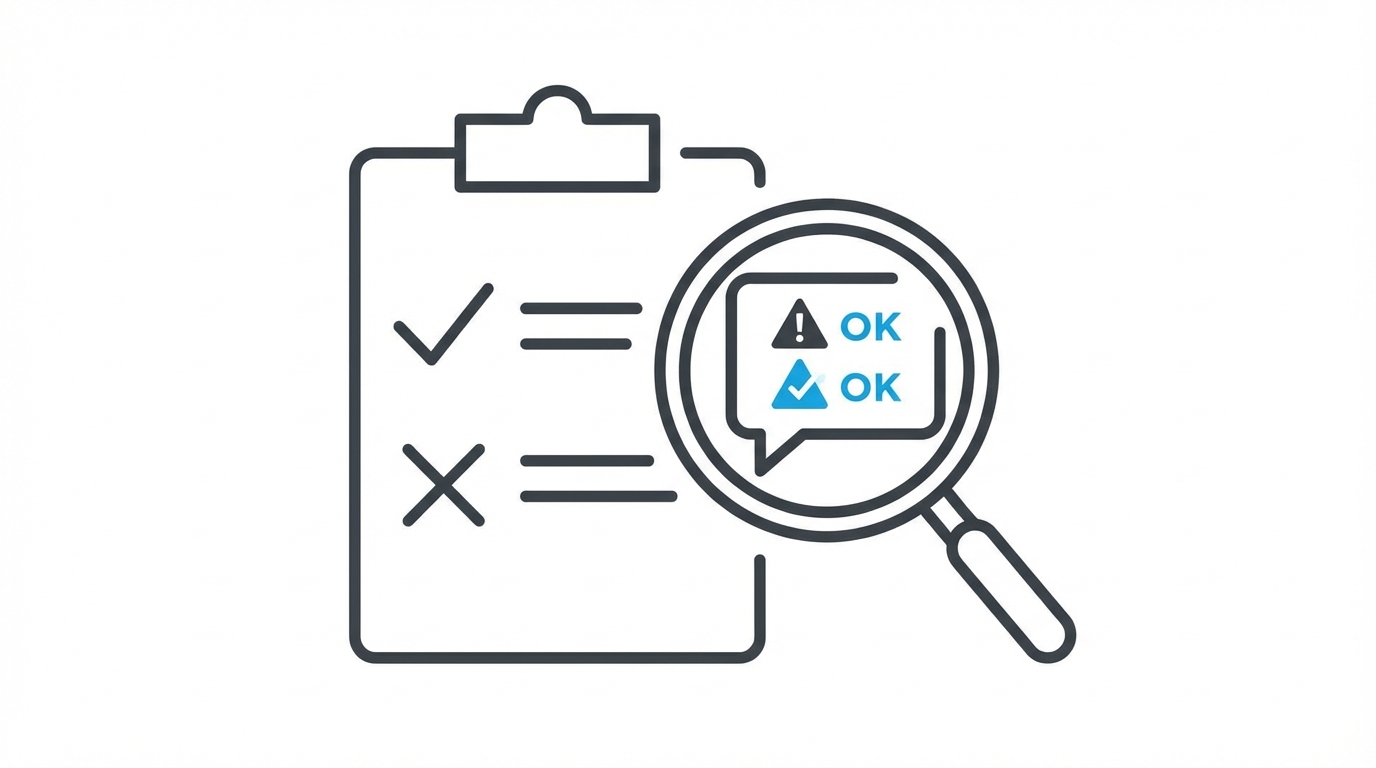 In the pilot phase, teams accept occasional errors. In production, they can’t.
In 2026, mature deployments include:
- evaluation criteria per workflow (accuracy, harmlessness, completeness, tone)
- regression tests for prompts and tool changes
- monitoring for drift as data and products evolve
- human review loops for high-risk outputs
This is how LLM adoption becomes operationally reliable—especially for customer-facing or compliance-adjacent use cases.
7) The real transformation is organizational: roles, process, and change management
Most “LLM adoption” programs fail for a simple reason: they focus on tools instead of work.
In 2026, the winners will redesign work:
- update SOPs (standard operating procedures)
- define “human-in-the-loop” responsibilities clearly
- train teams on what good outputs look like and how to validate them
- standardize templates and decision artifacts so outputs are reusable
This is where executives can make the biggest difference: set clarity around accountability and outcomes. Tools don’t create transformation—operating models do.
Executive checklist: what to decide in the next 30 days
If you are leading an enterprise rollout, here are decisions worth making early:
- Which workflows matter most (top 3), and what metric defines success?
- What is the approved data boundary for LLM use?
- Who owns governance (and who makes exceptions)?
- What is the plan for audit logs and access control?
- How will you measure cost, and who is accountable for it?
- Where will humans review outputs, and what is the escalation path?
- How will you keep knowledge current (owners, lifecycle, de-duplication)?
Closing thought
In 2026, the differentiator isn’t who can “use LLMs.” It’s who can run them at scale: securely, predictably, and with measurable business impact.
If you build the operating model now—governance that enables, knowledge that stays current, and metrics that tie spend to outcomes—you will turn LLM adoption from scattered experiments into a durable advantage.
Next: I’ll break down a practical operating model for enterprise AI governance—what to standardize, what to decentralize, and how to keep teams moving fast without losing control.